MEMORY
Months, not seconds
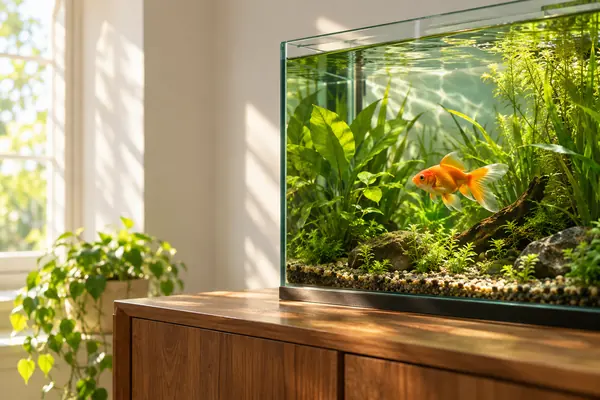
In experiments at Plymouth University, goldfish learned to push a lever for food, and to push it at the right hour when it only worked for one hour a day.
Rate the claims
 fishthatthink
WHAT THE EXPERIMENTS SHOW
NOT 3 SECONDS goldfish remember for months
Fish are not swimming blanks.
Researchers have trained goldfish to press a lever at the right hour, filmed wrasse smashing clams on rocks and watched a reef fish scrape a mark it could only see in a mirror. Here is what those studies found, and where scientists still argue.
Updated
Rate a claimTHE SHORT ANSWER
A 2015 review found fish cognition often
matches or exceeds that of other vertebrates.
MEMORY
In experiments at Plymouth University, goldfish learned to push a lever for food, and to push it at the right hour when it only worked for one hour a day.
Rate the claimsTHE MIRROR
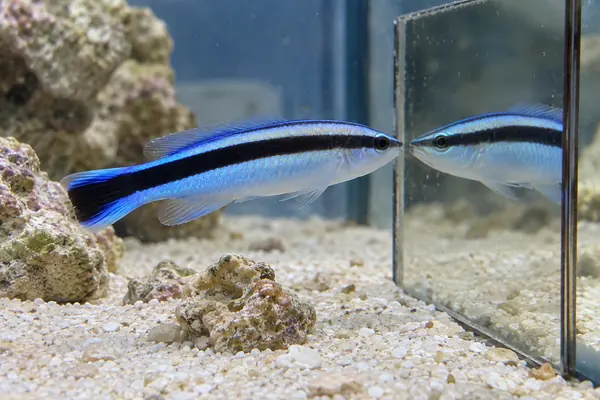
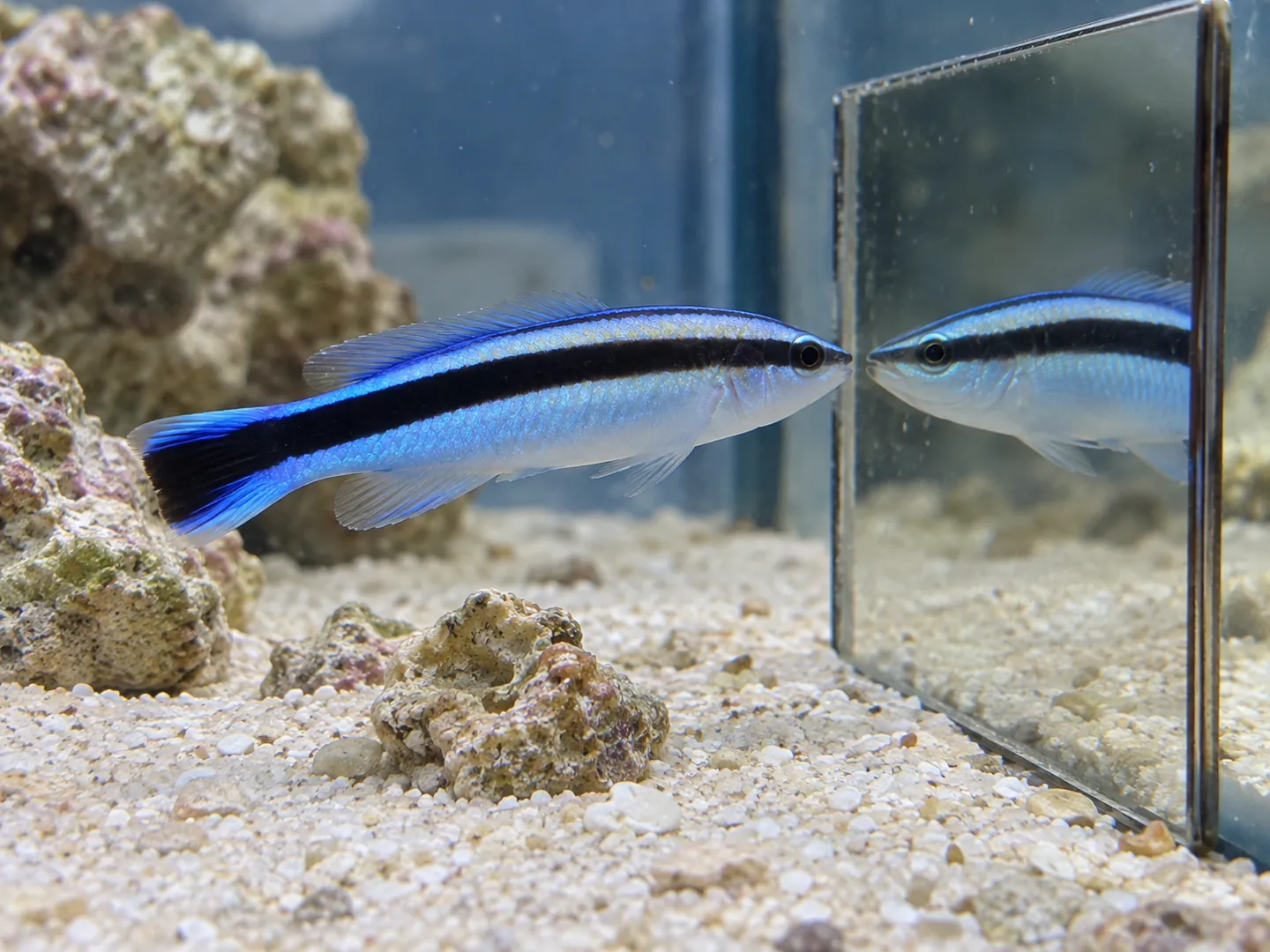
In a 2022 study, 14 of 14 cleaner wrasse given a brown throat mark scraped their throats, but only when a mirror was there to show it.
See the numbersTOOLS
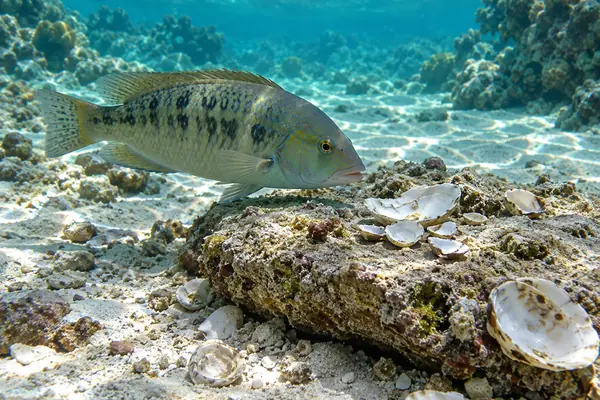
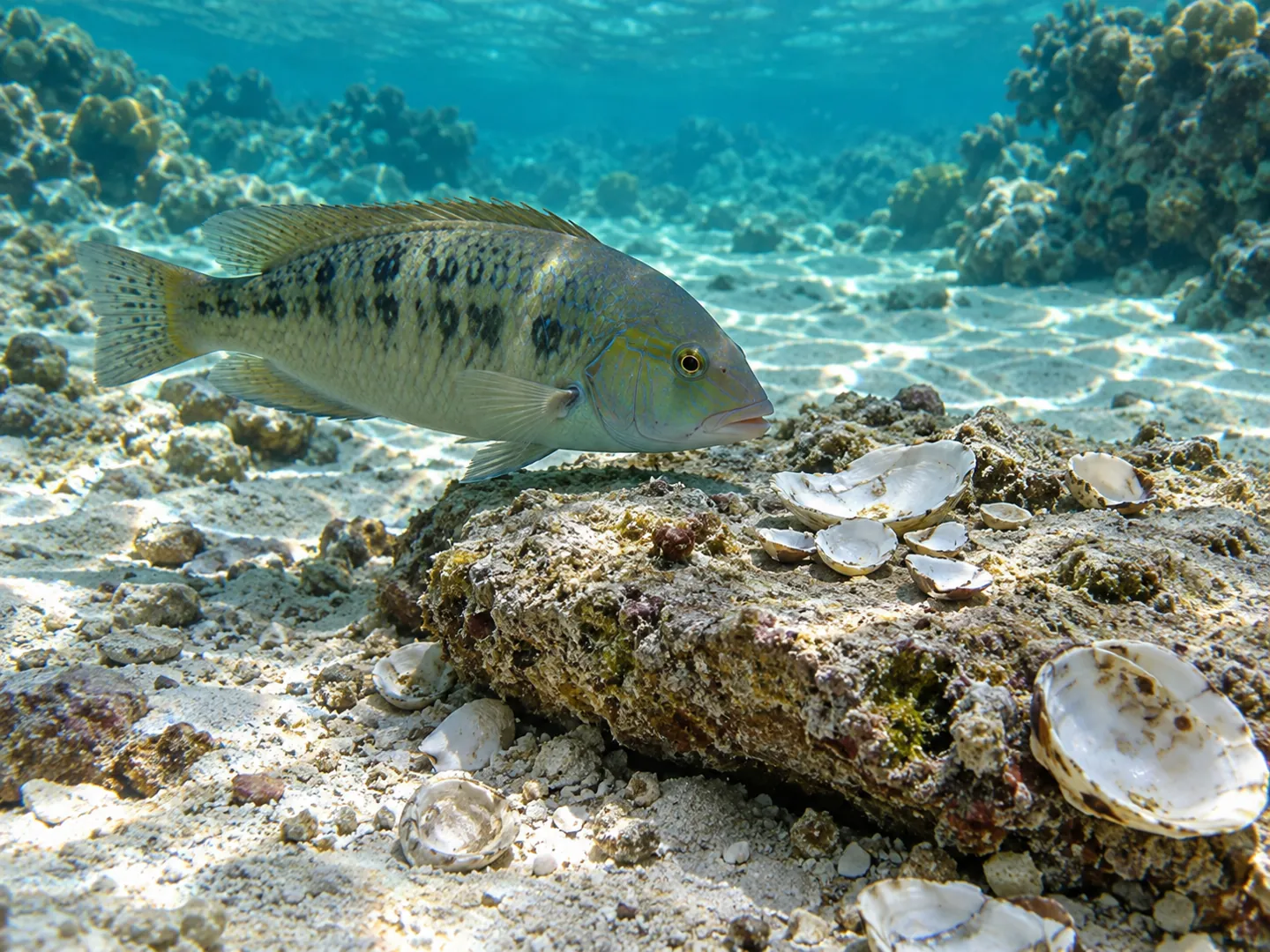
Graphic tuskfish in New Caledonia carry clams to rocks and coral heads and strike them to break them open, filmed making up to 28 strikes in one bout.
Read the studies wellA QUICK CLAIM CHECK
Pick a popular claim about fish to see what the research says. The bar shows how firmly the studies on this page support it.
Based on the studies and sources listed at the bottom of this page. Research on animal minds keeps moving, so treat this as a snapshot.
TWO NUMBERS WORTH KNOWING
One figure from the mirror test,
one from a goldfish memory experiment.
14/14
Marked cleaner wrasse that scraped the mark
New fish given a brown throat mark all scraped their throats, but only with a mirror present. Blue and green marks did not trigger scraping, and seeing another marked fish did not either.
MIRROR TEST · PLOS BIOLOGY 2022
3+ months
How long goldfish can hold a memory
BBC Wildlife reports that goldfish can retain memories for at least three months, can be trained and can learn when food is available.
MEMORY · PLYMOUTH UNIVERSITY
The mirror result is argued over. The 2022 paper notes that conservative readings of earlier data limit convincing mirror self-recognition to great apes; its authors say the wrasse results challenge that.
FOUR WAYS TO READ A FISH STUDY
Headlines about clever animals travel fast. These questions help you judge what a study really showed.
The 2022 mirror study tested 14 new fish to answer criticism of an earlier study. Check how many animals were tested, and whether a result was repeated.
Good tests rule out other explanations. The wrasse did not scrape for blue or green marks, or after seeing another fish with the same mark.
Researchers agree the wrasse scrape the mark. They still argue over whether that proves self-awareness.
Tuskfish tool use was filmed on a reef. Lever and mirror tests happen in tanks. Both kinds of evidence matter.
WHY IT MATTERS
Biologist Culum Brown argues that there is a large gap between how clever people think fish are and the scientific reality, and that this perception guides policy. His 2015 review concluded that fish experience pain in a manner similar to other vertebrates.
In UK law, the Animal Welfare (Sentience) Act 2022 defines an animal as any vertebrate other than humans, any cephalopod mollusc and any decapod crustacean. Fish are vertebrates, so they fall within that definition.
Questions
No. BBC Wildlife reports that goldfish can retain memories for at least three months, can be trained, and in Plymouth University experiments learned to press a lever for food at the one hour a day it worked.
Cleaner wrasse pass the mark test: in a 2022 study, 14 of 14 fish scraped a brown throat mark only when a mirror was present. Whether that proves self-awareness, or shows the test needs rethinking, is still debated.
Yes. Graphic tuskfish in New Caledonia use rocks and coral heads as anvils to break open clams, with one fish filmed making 28 strikes on two anvils in six minutes.
A 2003 study found nerve endings in rainbow trout that respond to damaging heat, pressure and acid, and a noxious substance changed their behaviour over a prolonged period. A 2015 review concluded fish experience pain in a manner similar to other vertebrates.
The Animal Welfare (Sentience) Act 2022 defines an animal as any vertebrate other than humans, plus cephalopod molluscs and decapod crustaceans. Fish are vertebrates. For what the law requires in a specific case, check the official text.
Sources
ABOUT THIS NAME
fishthatthink.com is part of the DoodleSale portfolio. It isn't in an auction right now, but you can ask about leasing it.